

Selling well starts long before the listing goes live. A thoughtful plan helps you decide what matters, present your home with confidence, and compare offers based on the complete terms—not just the headline price. Use these seven steps to prepare for a more organized, informed selling experience.
Putting a home on the market can feel like a long list of decisions arriving all at once. The most useful way to reduce the pressure is to begin with a plan: clarify your priorities, prepare the property deliberately, and know what information you will need before buyers begin scheduling visits. Whether you are moving across town or making a larger change, these steps can help you approach the process with purpose.
1. Set your goals—and build a realistic timeline
Start by defining what a successful sale means to you. Is your main priority a particular move date, a smooth transition into another home, minimizing disruption to your household, or maximizing the appeal of a distinctive feature? Your answers influence the timing, preparation scope, pricing conversation, and offer terms you may prefer.
Work backward from any meaningful deadline. Consider school calendars, a new job start, lease dates, construction schedules, travel plans, and the time needed to sort, repair, stage, photograph, show, and negotiate. A listing can move quickly or take time depending on the home and the buyer pool, so leaving room for the unexpected is wise. A clear calendar also prevents rushed choices when an offer arrives.
A selling strategy is more than a target price. Your preferred closing date, possession needs, repair tolerance, and plans for your next move all deserve a place in the conversation from day one.
2. Prepare the home for a strong first impression
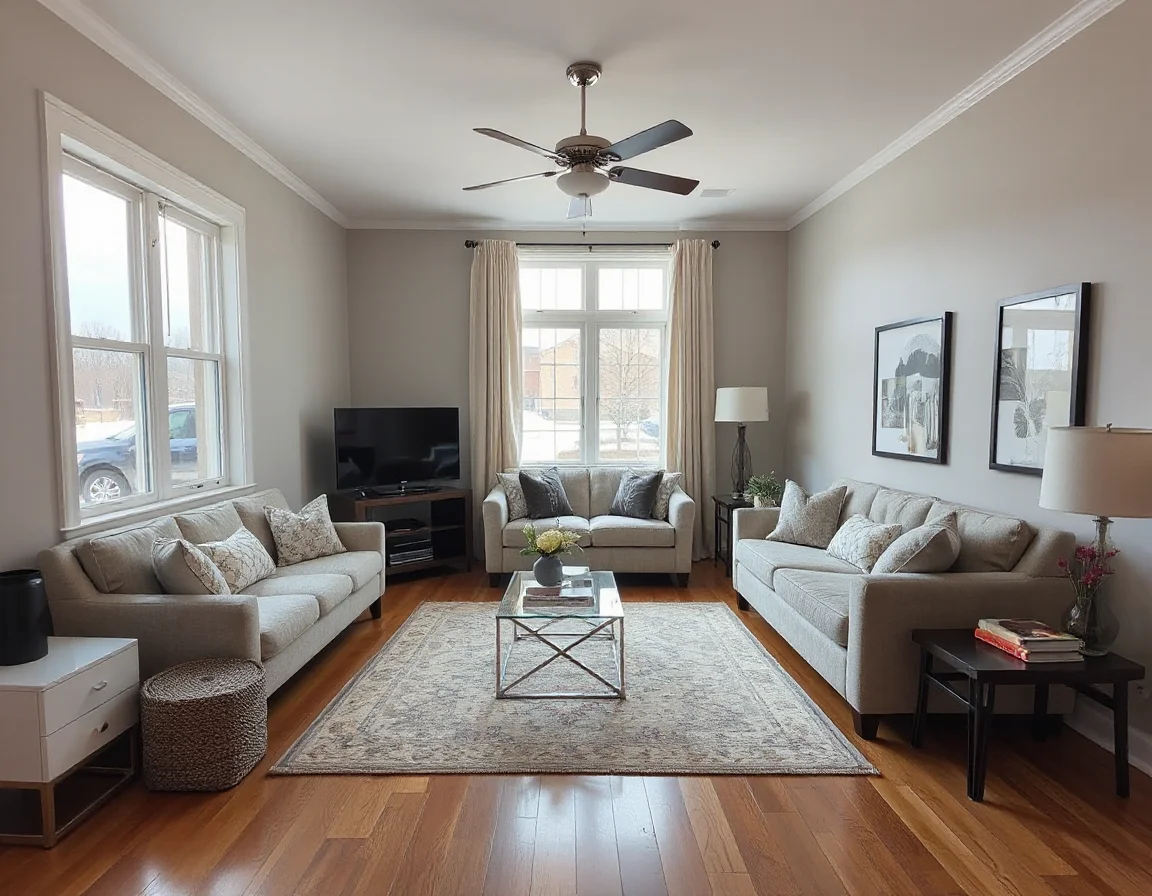
Buyers begin forming an opinion before they reach the front door. Walk through your property as if you were seeing it for the first time, beginning at the curb and continuing room by room. Look for what feels welcoming, what feels crowded, and what might create questions. Fresh landscaping, a tidy entry, clean windows, working exterior lights, and an orderly porch can make the home feel cared for before a buyer steps inside.
Inside, focus on cleanliness, light, and flow. Remove excess furniture that makes rooms feel smaller, clear kitchen and bathroom counters, store personal collections, and make closets easier to view. This is not about making a home feel empty or generic. It is about helping visitors understand the space, picture everyday life there, and notice the features that make the property special.
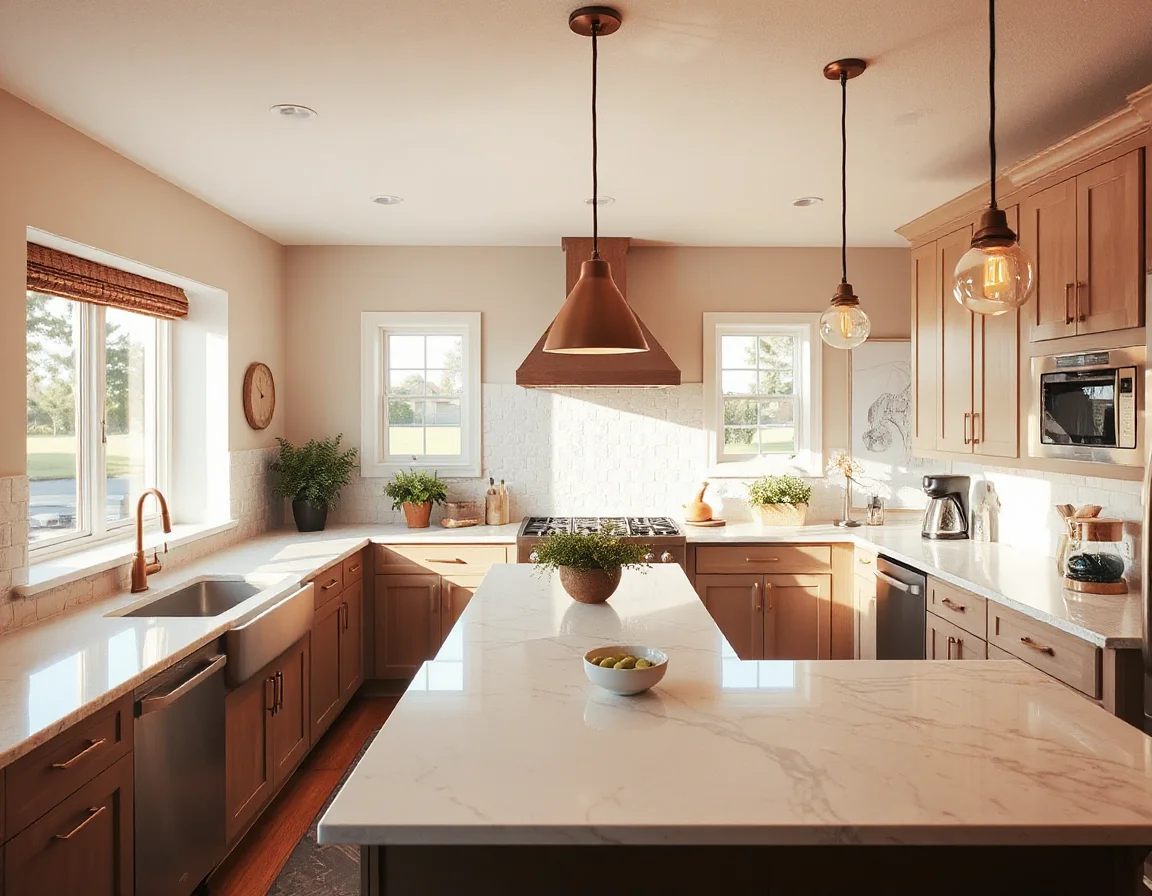
Do not overlook sensory details. Neutralize lingering odors, replace burned-out bulbs, address squeaky doors, and set the temperature to a comfortable level before visits. Small signals of care can support the larger story your home tells. If you have pets, make a specific plan for showings that keeps both animals and visitors comfortable.
3. Separate necessary repairs from optional improvements
Not every project belongs on a pre-listing checklist. Begin with visible maintenance items and issues that could distract buyers: dripping faucets, loose hardware, damaged screens, cracked caulk, stained grout, worn weatherstripping, or deferred exterior upkeep. These repairs often communicate attentiveness and can keep buyers focused on the home’s strengths rather than a growing mental to-do list.
Then consider improvements with a practical lens. Fresh neutral paint, updated lighting, refinished floors, improved landscaping, or a targeted kitchen refresh may help presentation in some situations. A major renovation, however, is not automatically the right choice. It can add cost, time, and decision fatigue without matching the preferences of the eventual buyer. The right scope depends on the home’s condition, price range, competition, and your own timeline.
Before committing to a large project, ask what problem it solves. Does it make the home easier to show? Does it address a clear condition concern? Does it help buyers understand the value of the property? A knowledgeable local review can help you prioritize work that supports your overall strategy instead of simply adding tasks.
4. Prepare for pricing with facts, not assumptions
Pricing preparation begins before a number is selected. Gather useful documents such as recent utility information, records for major improvements, warranties that may transfer, permits where applicable, survey information, and details about systems or features buyers may ask about. If your home has upgrades that are not obvious at a glance—insulation, drainage work, smart-home equipment, landscaping investments, or custom storage—make a concise list.
A well-supported pricing discussion considers comparable properties, current competition, condition, location, lot characteristics, layout, and buyer demand for features similar to yours. Online estimates can be a starting point, but they cannot fully account for presentation, updates, street position, or the nuance of a particular home. The aim is not to chase a flattering number; it is to choose a defensible position that encourages the right buyers to take a close look.
Be candid about trade-offs. A price, launch date, and preparation plan work together. Pricing may affect the amount of attention a property receives, while condition and marketing influence what buyers notice once they arrive. Reviewing these pieces together gives you a stronger basis for making a decision you understand and can stand behind.
5. Treat professional marketing as a complete presentation
Marketing is not just a listing description and a few photos. It is the coordinated presentation of your home’s most meaningful features to buyers who are comparing many options. Professional photography, accurate room measurements, compelling property details, a thoughtful launch plan, and clear communication about upgrades all help create a consistent experience from the first online view through the in-person showing.
Think about the story a buyer should understand within moments. Perhaps it is an easy entertaining layout, a peaceful outdoor setting, a flexible work-from-home room, a renovated bath, abundant storage, or proximity to the places that matter to your household. Strong marketing identifies these advantages without overstating them. It makes it easier for qualified buyers to recognize why the home deserves their attention.
The best listing materials answer practical questions while creating an emotional connection. Clear photos and honest details help attract buyers who are genuinely aligned with the home.
6. Make showing readiness a repeatable routine
Once the home is available to tour, create a simple routine that allows you to respond to showing opportunities without scrambling. Keep a basket or bin for last-minute items, designate a place for pet supplies, empty trash regularly, and make beds each morning. Put away paperwork, valuables, medication, and sensitive personal information. A quick checklist near the door can help everyone in the household remember lights, blinds, temperature, and final tidying.
Flexibility can be helpful, but it should also be realistic. Discuss boundaries around notice requirements, work schedules, pets, and any rooms that need special handling. Buyers often appreciate being able to explore without feeling hurried, while sellers deserve a process that respects their daily lives. A clear showing plan makes both easier.
7. Evaluate every offer from the full picture
An offer is a package of terms, not simply a number at the top of a page. Review the proposed purchase price alongside financing, down payment, earnest money, inspection and appraisal contingencies, requested concessions, inclusions, closing date, possession terms, and any conditions that could affect your next step. A higher price may come with more uncertainty or more demands; a lower price may include terms that better fit your timing and priorities.
Ask questions until you understand the practical effect of each term. What deadlines matter? What items are negotiable? What documentation may be requested? How does a proposed closing align with your move? A calm, complete comparison can help you respond strategically rather than react to one attractive detail.
Bring the steps together with a personalized plan
Preparing to sell does not require perfection. It requires thoughtful priorities, honest preparation, and a plan that accounts for your home and your life. By setting goals early, focusing on meaningful repairs, preparing for pricing, presenting the property professionally, and reviewing offers carefully, you can move forward with greater clarity.
If you are considering a sale, contact our team for a personalized selling strategy. We can help you assess your home’s presentation, discuss timing and preparation priorities, and build a plan around the terms that matter most to you.