
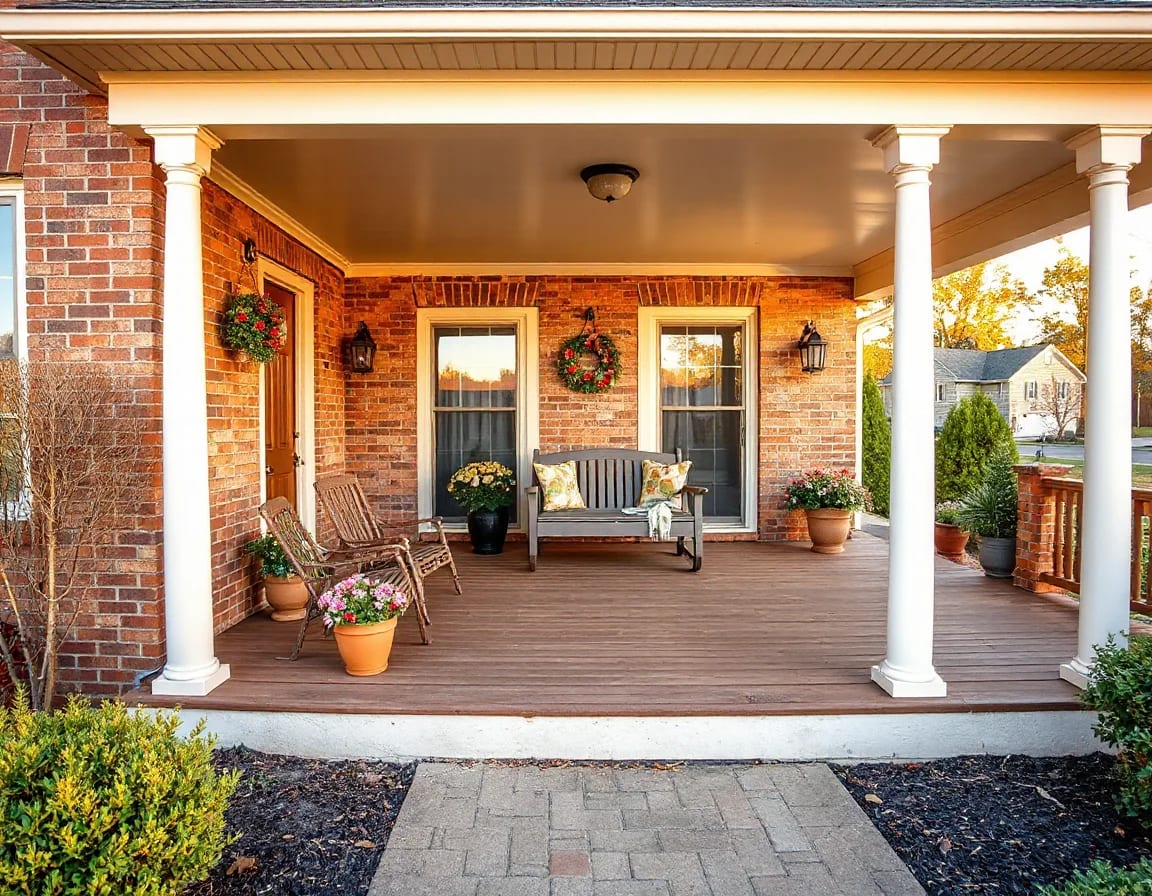
A successful build or renovation starts well before demolition or design selections: define the work, build a realistic budget, and hire carefully. For Northern Kentucky and Greater Cincinnati homeowners, a documented process can help turn an exciting idea into a project that supports daily living and future resale appeal.
Whether you are considering a custom home, reworking an older property, updating a kitchen or bath, adding living space, or creating a better outdoor area, the right preparation matters. Northern Kentucky and Greater Cincinnati offer a wide range of housing styles and project types, from established neighborhoods with character homes to new-construction opportunities. The goal is not simply to find a contractor quickly; it is to find a qualified professional whose process, communication, scope, and paperwork fit your project.
This guide offers a practical starting point for homeowners who want to plan confidently, compare options thoughtfully, and keep future marketability in view. It is not an endorsement or ranking of any individual company. Instead, use it as a framework for asking better questions and making informed decisions.
Start With a Clear Scope and a Working Budget
Before searching for builders or contractors, put your own priorities in writing. A clear scope makes conversations more productive and helps you receive estimates that are easier to compare. Begin with the problem you want to solve: more functional storage, an outdated layout, aging systems, a growing household, accessibility needs, or a home that needs significant work before move-in.
- Define the outcome: Describe how you want the space to function, not only how you want it to look.
- Identify must-haves and nice-to-haves: Separate nonnegotiable work from upgrades that can be adjusted if pricing changes.
- Document the existing conditions: Take photos, note room dimensions, and list known concerns such as water intrusion, dated electrical components, or uneven floors.
- Set a spending range: Include design, materials, labor, permits, inspections, site work, furnishings, and an appropriate contingency for discoveries or changes.
- Consider timing: Decide whether you have a firm completion date and whether you can remain in the home during construction.
Major updates in older homes can reveal conditions that were not visible at the first walk-through. A flexible contingency and a willingness to prioritize can make those discoveries manageable rather than project-stopping. For new construction, take time to understand what is included in the base scope versus what may be treated as an upgrade, allowance, or later change order.

It can also help to create a simple project brief before the first appointment. Include photos you like, a preliminary wish list, your budget range, desired timeline, and questions about design responsibility. This does not need to be polished. Its purpose is to help prospective professionals understand your goals and to reveal whether they listen carefully and explain their approach clearly.
The most useful estimate is not always the lowest one. A well-defined scope, transparent allowances, realistic timing, and a clear process for changes often provide more value than a number that leaves important work unanswered.
Where to Begin Your Contractor or Builder Search
Start with several reliable channels rather than relying on a single online search. Personal referrals can be especially useful because they let you ask about communication, cleanliness, schedule management, and how a contractor handled unexpected issues—not just the finished appearance. Ask friends, neighbors, and colleagues whose projects resemble yours. A nearby kitchen renovation, addition, deck, or custom build may offer useful insight into the planning experience.
Real estate professionals can also be a helpful source of referrals because they regularly see how condition, craftsmanship, and renovation decisions influence buyer interest. Your agent can offer a real-estate perspective on which improvements tend to broaden appeal, while the contractor or builder should provide the technical expertise and project-specific proposal.
The Home Builders Association of Greater Cincinnati is another professional resource homeowners may wish to explore when beginning a search for local building and remodeling connections. Professional associations can provide a starting point for research, but they are not a substitute for your own interviews, document review, and reference checks. Look for professionals whose experience aligns with the scale and type of work you are planning.
Do the Due Diligence Before You Commit
Once you have a short list, meet with more than one candidate. A strong interview is a two-way conversation: you are evaluating their fit, and they are evaluating whether your project is sufficiently defined to price and manage responsibly. Ask how they organize work, who will be your primary contact, whether subcontractors are used, and how often you can expect updates.
- Ask for current documentation related to licensing, insurance, and any applicable credentials.
- Request recent references for projects similar in scope, then ask those homeowners about communication, workmanship, budgeting, and follow-through.
- Review a written estimate that separates labor, materials, allowances, exclusions, and assumptions where possible.
- Discuss the proposed timeline, key milestones, material lead times, and how schedule changes will be communicated.
- Ask who is responsible for determining and obtaining needed permits and inspections.
- Understand available warranties for workmanship and materials, including how to request service after completion.
- Read the contract closely before signing. It should address scope, payment schedule, change orders, site protection, dispute procedures, and completion expectations.
Requirements can differ depending on the location and nature of the work. Homeowners should verify current local requirements directly with the applicable city or county, as well as any other relevant authority, instead of relying on general assumptions about specific licensing or permit rules. That early verification can help prevent avoidable delays later.
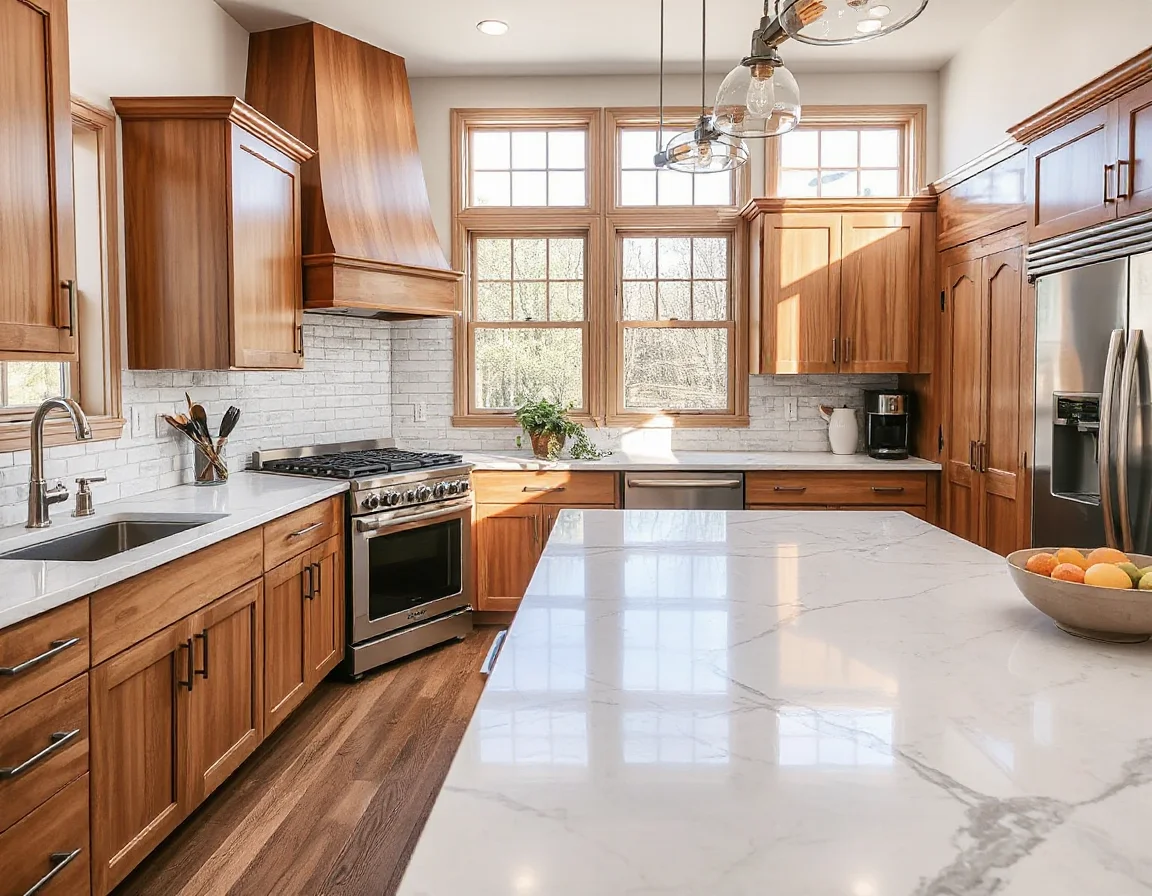
Pay close attention to how each candidate explains unknowns. Renovation work may uncover hidden conditions, especially in older homes. A professional does not need to promise that every surprise can be predicted, but they should explain how discoveries, allowances, pricing adjustments, and written change orders will be handled.
Compare Bids Fairly—Not Just by the Bottom Line
Comparing bids is only meaningful when each proposal addresses substantially the same project. If one estimate includes cabinetry, electrical updates, finish materials, cleanup, and permit coordination while another leaves those items open, the totals do not tell the full story. Create a side-by-side comparison sheet and list every major component of the work.
Review specifications, materials, allowance amounts, exclusions, start windows, payment milestones, warranty terms, and the proposed change-order process. Ask questions in writing when wording is unclear. If one bid is dramatically lower, find out why before assuming it is a bargain. It may reflect a different scope, lower allowances, omitted preparation work, an unrealistic timeline, or a misunderstanding of what you expect.
A fair comparison is a scope comparison. Before choosing a contractor, make sure every bidder is responding to the same priorities, finish level, and responsibilities so you can evaluate value with confidence.
Recognize Warning Signs Early
Trust your instincts when the process feels rushed, vague, or inconsistent. Not every concern means a professional is unsuitable, but repeated difficulty getting clear answers before work begins is worth taking seriously. Careful planning is far easier than trying to correct a communication problem after a project is underway.
- Pressure to sign immediately or make a large payment before the scope is documented.
- Reluctance to provide a detailed written estimate, contract, proof of insurance, or references.
- Pricing that is far below other comparable bids without a clear explanation.
- Unwillingness to describe who will supervise the job or how changes will be approved.
- Promises that seem unrealistically fast, especially when materials, permits, or inspections may affect timing.
- Requests to proceed without confirming which local approvals may apply.
Good communication should continue after the contract is signed. Keep a project folder with the signed agreement, insurance information, plans, selections, invoices, change orders, inspection records, and a running log of important conversations. A simple paper trail protects everyone and makes decisions easier to revisit.

Make Updates With Future Resale in Mind
Every homeowner should personalize a home for the way they live, but resale-minded choices can help preserve flexibility when it is time to sell. In Northern Kentucky and Greater Cincinnati, buyers often respond to improvements that make a property feel well maintained, functional, and easy to understand. Kitchens and baths remain important spaces because they influence everyday experience, while thoughtful additions can add useful square footage when their scale and layout fit the home.
Outdoor living improvements may enhance enjoyment and buyer appeal when they are durable, well integrated, and appropriate to the property. With older homes, updates to systems, layout flow, windows, insulation, or deferred maintenance may be less visually dramatic than a new finish package, but they can strengthen buyer confidence. For new construction, balanced selections and a practical floor plan may have broader appeal than highly specialized upgrades.
Keep records of permits, warranties, product information, and major improvements. When you eventually sell, organized documentation can help buyers understand what was completed and when. Before buying a fixer-upper, planning a custom build, or making resale-minded improvements, contact your agent or our team for a practical real-estate perspective on the property, the neighborhood, and choices that can support both your lifestyle and your long-term goals.