
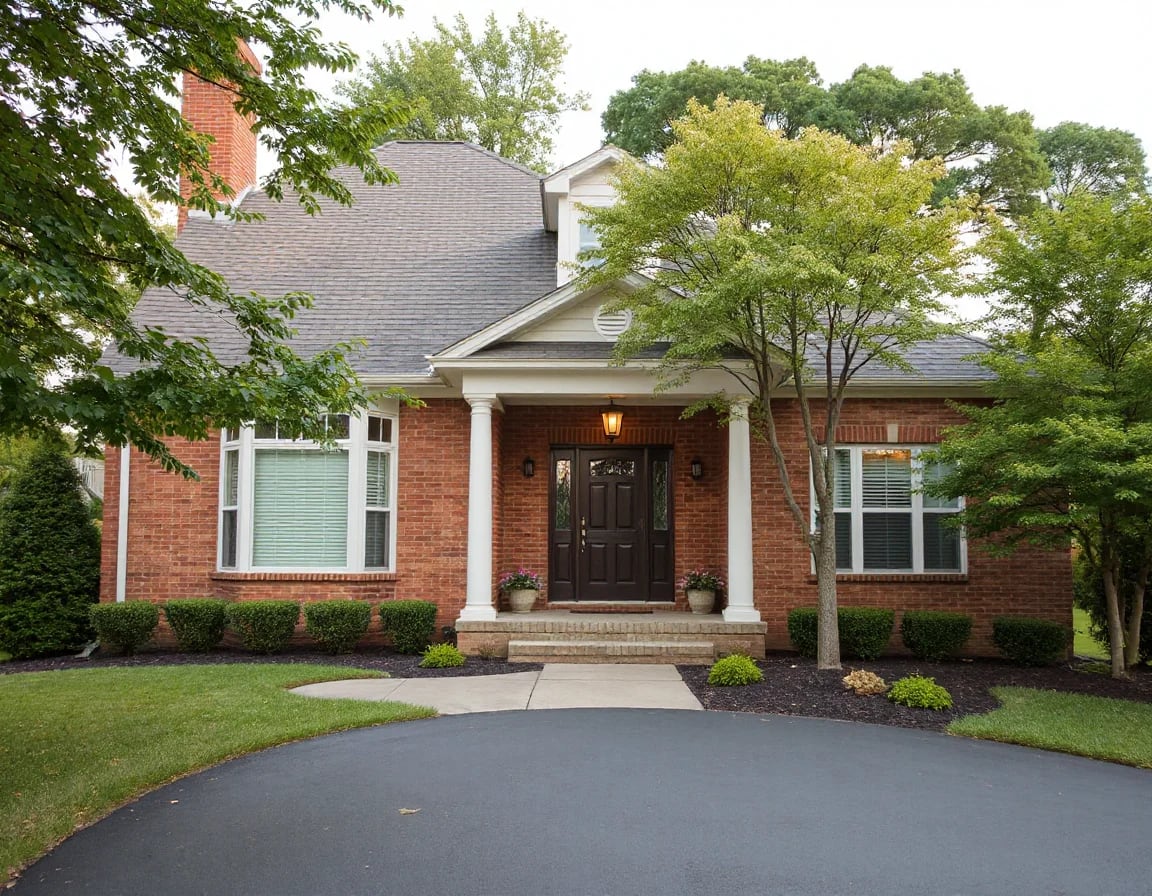
Northern Kentucky sellers do not need to renovate every room before listing, but visible defects and neglected maintenance can quickly distract buyers and weaken confidence. Start with repairs that protect the home, support safe operation, and improve first impressions—then use a pre-listing walkthrough to decide where your budget will make the greatest difference.
Preparing a home for sale in Northern Kentucky is less about making it look brand-new and more about making buyers feel confident from the moment they arrive. In communities from Covington and Newport to Florence, Erlanger, Fort Thomas, and Independence, buyers notice deferred maintenance quickly—especially in homes with older construction, mature trees, changing elevations, and four-season weather.
A smart repair plan addresses the items that suggest a larger problem before spending heavily on finishes that may not matter to the next owner. The goal is a clean, well-maintained home that allows buyers to focus on its space, location, and potential rather than their future repair list.
Start With the Repairs Buyers Can See—and Inspectors Will Flag
Some pre-listing repairs have an outsized effect because they are visible at first glance and likely to surface again during an inspection. A loose gutter, active leak, deteriorated trim, or questionable handrail can make buyers wonder what else has been overlooked. Address these practical concerns early, before photography and showings begin.
- Roof and gutters: Replace missing or damaged shingles, repair flashing concerns, clear gutters, and make sure downspouts carry water away from the foundation. Stained ceilings or visible water damage deserve prompt investigation rather than a cosmetic cover-up.
- Drainage and grading: Northern Kentucky’s hills and heavy rain make water management important. Correct obvious low spots near the foundation, repair broken splash blocks, and clear debris from drainage paths.
- Exterior and trim: Reattach loose siding, repair rotten fascia or porch boards, replace cracked caulk, and touch up peeling paint. These improvements make a home feel cared for before anyone steps inside.
- Safety items: Secure railings and steps, replace broken exterior lights, repair trip hazards, and confirm that smoke and carbon monoxide alarms are present and functional where required.
A repair does not need to be dramatic to matter. Small exterior defects can create a larger perception problem because buyers often use the outside of the home to judge how the rest of it has been maintained.
Resolve Safety, Plumbing, Electrical, and HVAC Concerns
Functional systems are not always glamorous, but they are high-priority repairs. Buyers may accept an older home system when it is clearly maintained; they are far less comfortable with active leaks, unsafe wiring, or equipment that appears neglected. Taking care of known concerns before listing also helps reduce last-minute negotiations after inspection.
Look beneath sinks and around toilets for active leaks, loose fixtures, slow drains, or water-damaged cabinetry. Repair dripping faucets and running toilets, and make sure accessible shutoff valves work. Water stains, mildew odors, and soft flooring deserve professional attention because they can point to a larger moisture issue.
For electrical items, replace broken cover plates, repair nonworking switches or outlets, and have any exposed wiring, flickering lights, or recurring breaker trips evaluated by a qualified professional. If your home has a known electrical concern, accurate information is better than hoping it goes unnoticed.
Schedule HVAC service if the system has not been maintained recently. A clean filter, serviced equipment, clear condensate line, and readable maintenance record can give buyers reassurance. Repair obvious duct damage, noisy operation, or a thermostat that does not reliably control the home’s temperature.
Refresh the Surfaces That Shape Daily First Impressions
Once the home’s essential systems and exterior are addressed, turn to the finishes buyers experience room by room. You do not need to replace every dated feature, but damaged or visibly worn surfaces can make an otherwise solid home feel like a project. Focus on condition, cleanliness, and consistency.
- Patch nail holes, repair drywall cracks that are cosmetic in nature, and use a cohesive neutral paint color where walls are heavily marked or unusually bold.
- Repair loose flooring transitions, cracked tiles, damaged baseboards, and visibly stained carpet. Professionally cleaning carpet can be worthwhile when replacement is not necessary.
- Replace missing cabinet hardware, loose knobs, broken drawer pulls, and visibly deteriorated caulk around counters and backsplashes.
- Fix cracked mirror edges, leaking faucets, nonfunctioning exhaust fans, and loose toilet seats in bathrooms.
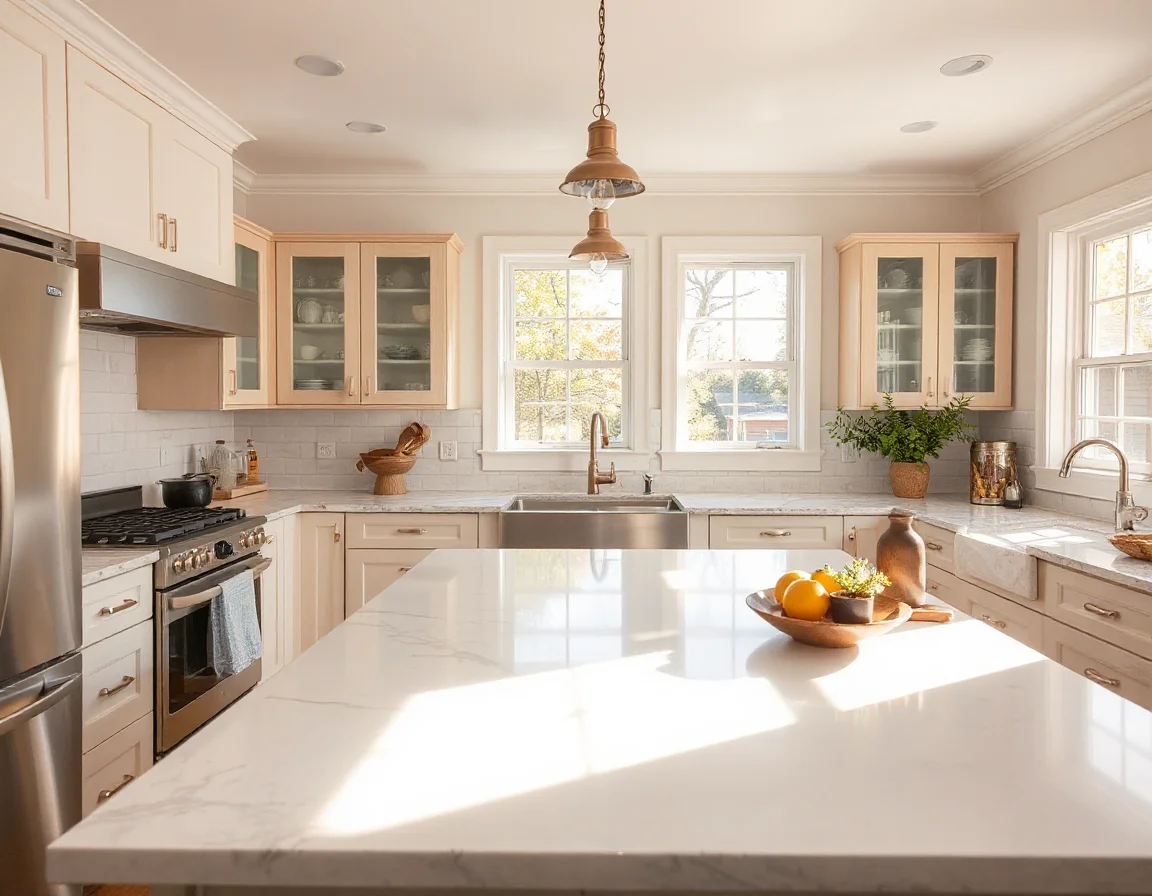
Kitchen and bath updates can be especially effective when they are targeted. Fresh caulk, clean grout, modern light fixtures, a new faucet, or refreshed cabinet hardware often provides a more proportionate return than a full renovation immediately before sale. If cabinets, counters, or tile are serviceable, a deep clean and small repairs may be enough to present the room well.
Buyers can live with a style they would eventually change. They are less comfortable inheriting evidence of a problem, such as a leak, cracked floor tile, broken appliance panel, or peeling caulk around a tub.
Do Not Overlook Doors, Windows, and Curb Appeal
Entry points carry more weight than many sellers expect. The front door is part of the first showing impression, while windows and interior doors are handled throughout a tour. Repair sticky locks and latches, replace torn screens, and make sure doors open, close, and latch smoothly. Touch up scuffs on a front door, clean glass inside and out, and replace a worn weatherstrip where drafts or gaps are obvious.
For curb appeal, keep the focus simple: mow and edge the lawn, prune overgrown shrubs away from the house, remove dead plants, refresh mulch where appropriate, and store hoses, bins, and yard tools neatly. A clean porch light, functioning house numbers, and an uncluttered entry can make a home feel welcoming without a major landscaping project.
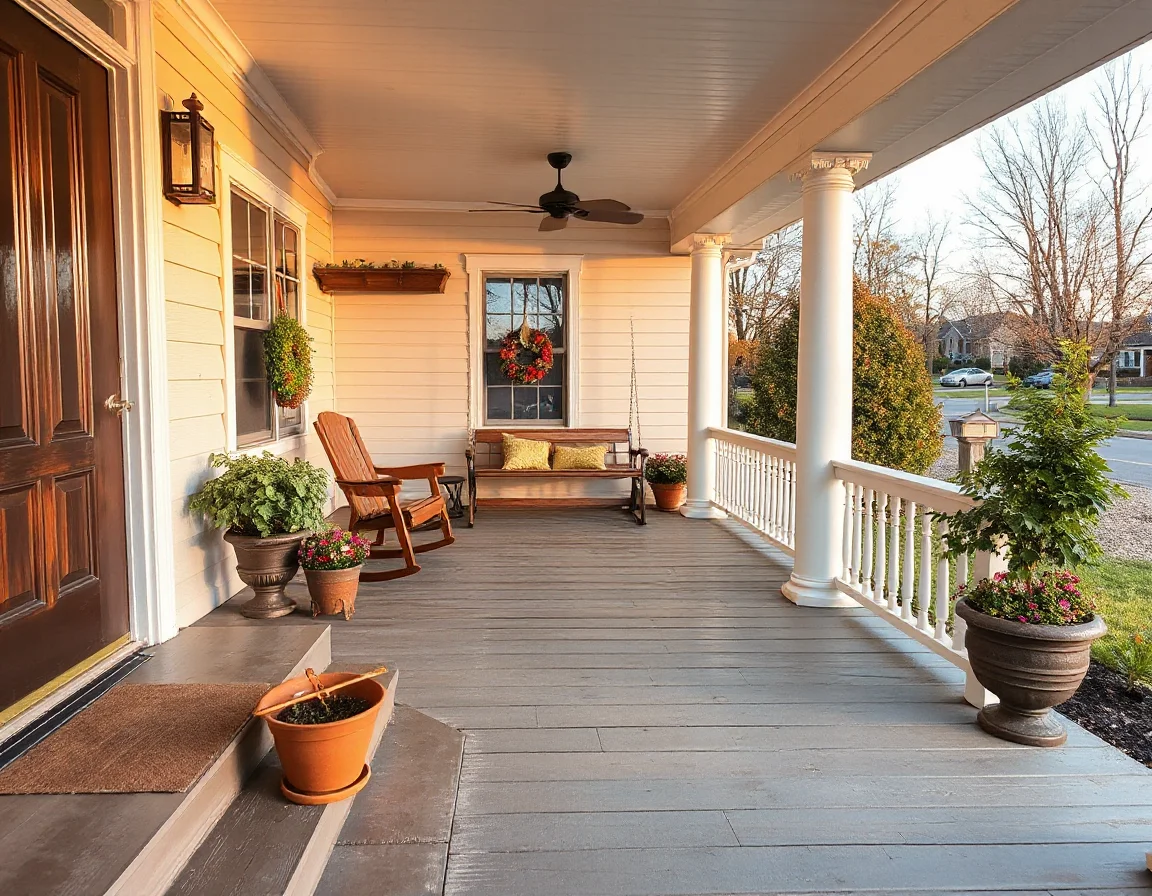
Must-Do Repairs vs. Optional Improvements
A useful way to prioritize is to separate repairs into two groups. Must-do repairs address active water intrusion, safety risks, broken systems, visible deterioration, or defects likely to concern buyers and inspectors. These items protect the home’s presentation and can prevent a sale from becoming more complicated later.
Optional cosmetic improvements are upgrades that may improve appeal but are not automatically necessary: replacing functional countertops because they are dated, remodeling a serviceable bathroom, installing premium fixtures throughout, or renovating a kitchen simply to follow a trend. These decisions should be guided by the home’s price range, competition, condition, and expected return—not by a one-size-fits-all checklist.
Before committing to a large project, compare it with the homes buyers will see in your part of Northern Kentucky. A well-executed repair and professional cleaning may position one property better than an expensive renovation that does not fit the neighborhood or price point.
Build a Repair Plan Before You Spend
Start with a written list, then rank each item by urgency, visibility, and likely buyer impact. Gather estimates for major work, retain invoices for completed repairs, and take before-and-after photos for your records. If a repair cannot be completed before listing, discuss the best strategy for disclosure and pricing rather than leaving buyers to assume the worst.
Every Northern Kentucky property is different. A pre-listing walkthrough with a local real estate professional can help identify the repairs most likely to support a strong first impression, reduce avoidable objections, and keep your budget focused. If you are preparing to sell, request a pre-listing walkthrough to create a clear, practical plan for your home.