


The right asking price does more than place a number on your Burlington home—it shapes the first impression buyers carry into every showing. A thoughtful pricing strategy can create early momentum, support stronger negotiations, and help you make decisions with confidence from launch through closing.
Start With Today’s Market, Not Yesterday’s Headlines
Pricing a home is part research, part strategy, and part timing. It is tempting to begin with a memorable sale down the street, an online estimate, or the amount needed for a future purchase. Those details can be useful context, but buyers compare the home in front of them with the other available options they can tour right now. The most effective list price reflects current competition, recent closed sales, property condition, and the features that make your home distinct.
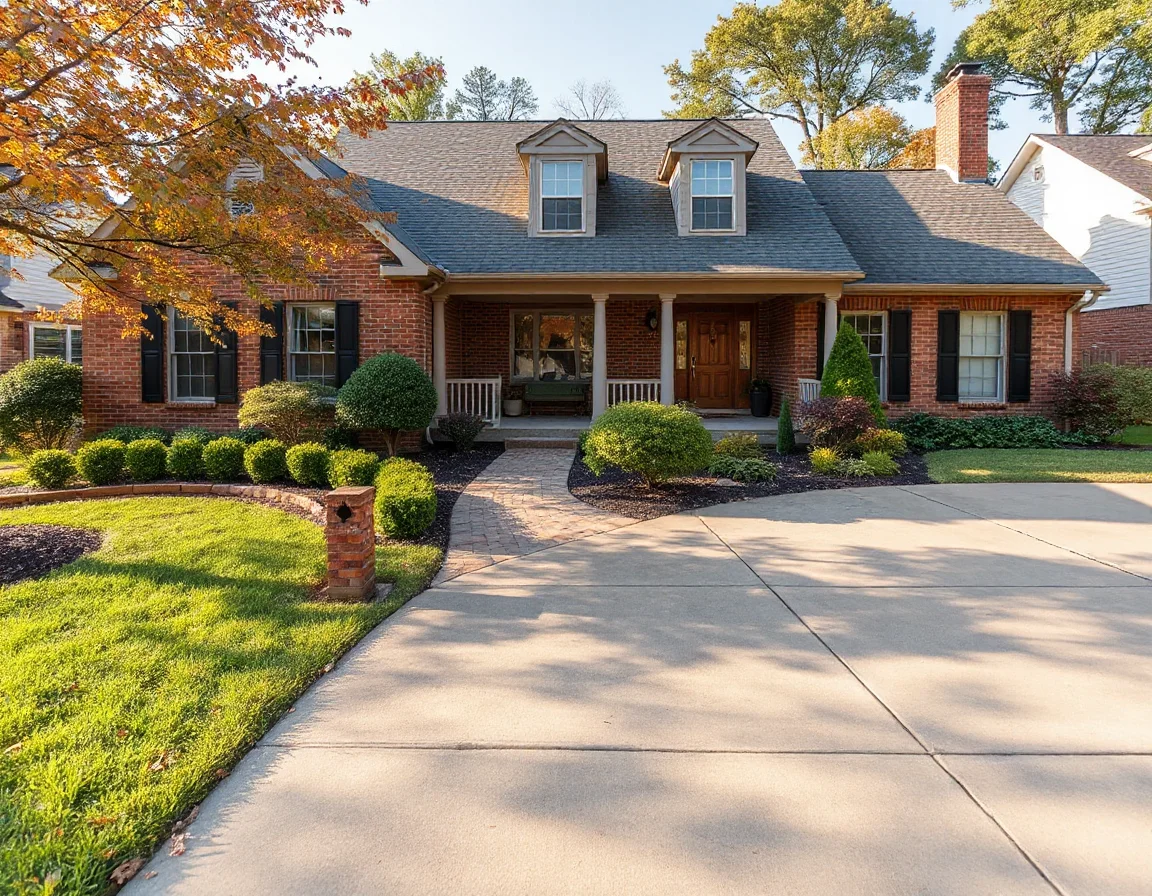
A comparative market analysis is the foundation. It looks at nearby homes that have sold, homes currently for sale, and listings that left the market without selling. Sold homes show where buyers and sellers ultimately reached agreement. Active listings reveal the choices competing for attention. Expired or withdrawn listings can offer another lesson: a home may have needed a different price, stronger presentation, better photography, or a more flexible launch plan.
Not every comparison deserves equal weight. A similar bedroom count is only one part of the picture. Lot size, finished square footage, updates, garage capacity, outdoor space, layout, age, condition, and location within the broader Burlington area can influence value. A renovated kitchen, a well-planned lower level, a refreshed bath, or a usable patio may help a home stand apart—but the market still determines how much buyers are willing to pay for those features at a particular moment.
The first days on market are often the period of greatest attention. A price that aligns with current competition gives your listing the best chance to turn that attention into showings and meaningful feedback.
It also helps to separate a home’s market value from its personal value. The memories made there, the projects completed over time, and the care put into each room matter deeply. They may not always translate dollar-for-dollar into the list price, but they can absolutely inform how the home is prepared, photographed, and presented. Strong marketing tells that story while careful pricing keeps the listing competitive.
Use Positioning to Create a Clear Buyer Comparison
Buyers rarely evaluate a listing in isolation. They are usually comparing several homes across a similar price range, and they may be reviewing photos, maps, room dimensions, and property details before scheduling a tour. A strategic price gives them a simple answer to an important question: how does this home compare with the other opportunities available today?
When a listing is priced substantially above comparable homes, buyers may decide not to tour it at all. Even if the home has excellent features, an overly ambitious starting point can narrow the audience before anyone has had a chance to experience the space in person. As days on market accumulate, buyers may begin to wonder why the property has not moved, making a later adjustment more difficult than a well-supported price at launch.
That does not mean every seller should choose the lowest number in a range. Instead, the goal is to position the property honestly and persuasively. A home in exceptional condition with desirable improvements may belong near the top of its competitive set. A property that needs cosmetic work, has a more unusual layout, or faces a busy route may need a price that acknowledges those factors. Clear-eyed positioning helps buyers focus on the full opportunity rather than fixate on a mismatch between price and condition.
Prepare the Home Before Setting the Final Number
Pricing and presentation work together. Before settling on a launch plan, walk through the property as a buyer might: from the curb, through the entry, into the primary living areas, and out to the outdoor spaces. Look for small repairs, worn caulk, burned-out bulbs, crowded counters, and furniture arrangements that interrupt the natural flow of a room. These details may seem modest, but they influence how polished and move-in-ready a home feels.
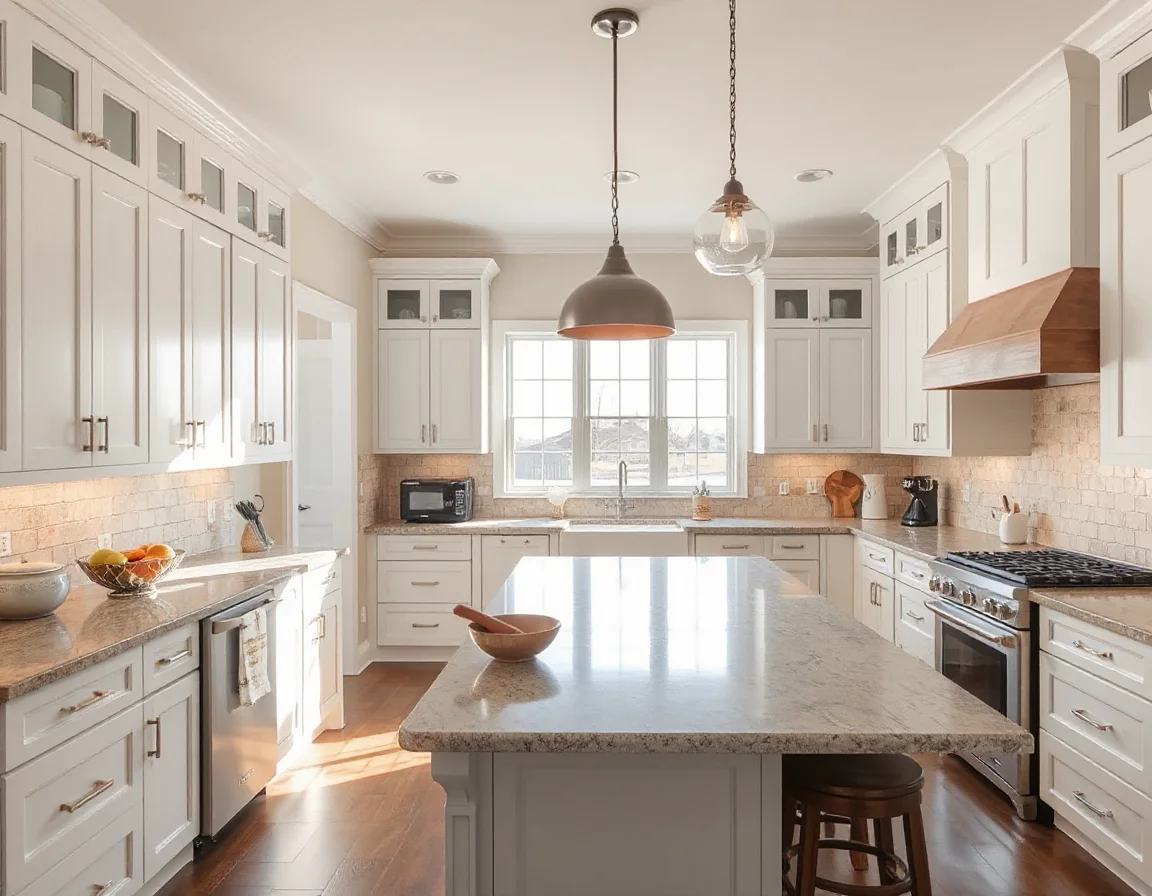
Focus first on work that photographs well and improves the experience of touring the home. A freshly painted front door, tidy landscaping, neutral touch-up paint, clean windows, and simplified surfaces can make a meaningful difference. Professional photography and a thoughtful listing description should then highlight the features buyers can verify: flexible living spaces, storage, natural light, recent improvements, exterior amenities, and useful room dimensions.
Major renovations require more careful consideration. Some updates can strengthen a home’s appeal, while others may not deliver a full return before a sale. Rather than assuming that every project must be completed, weigh the likely cost, timeline, and impact on the property’s competitive position. In many cases, targeted repairs and a clean, cohesive presentation provide a stronger return than a rushed renovation.
Honest disclosure is also an important part of successful positioning. Being clear about known conditions helps create a more productive conversation with prospective buyers. It supports a smoother transaction and lets the list price account for the home as it is, rather than relying on surprises later in the process.
Respond to Feedback Without Losing the Strategy
Once the listing is active, feedback becomes valuable market information. A few comments about paint color may simply reflect personal preference. Repeated comments about price, condition, layout, or comparison to other homes deserve closer attention. The key is to consider patterns, not react to a single opinion or one quiet weekend.
Review showing activity, online engagement, comparable listings, and any changes in local inventory with your real estate professional. If the home is receiving many views but few tours, the price or first impression may need attention. If tours are happening but offers are not, buyers may be responding to a condition issue, a competing property, or a gap between expectations and value. Prompt, thoughtful adjustments can preserve momentum better than waiting until a listing feels stale.
A price adjustment is not a failure; it is a strategic decision based on new information. The strongest adjustments are specific, timely, and paired with renewed marketing attention.
It is equally important to assess offers beyond the headline price. Financing terms, inspection contingencies, requested closing dates, appraisal considerations, and the buyer’s overall timeline can affect the practical strength of an offer. A well-priced listing gives sellers more opportunity to compare complete terms rather than relying on price alone.
Build a Pricing Plan That Supports Your Next Move
Your sale is connected to a larger plan, whether you are moving locally, relocating, purchasing another property, or simply exploring the market. A clear pricing conversation should include your preferred timeline, desired net proceeds, preparation budget, and flexibility around closing. These factors do not replace market data, but they help shape a realistic strategy that supports your goals.
Burlington offers a range of residential settings and property styles, so a tailored approach matters. Rather than relying on broad averages, work from the homes buyers are actively comparing with yours. With current data, strong presentation, and a plan for responding to feedback, you can bring your home to market with a price designed to attract serious attention.
A strong offer often begins long before negotiations start. It begins with a home that is prepared, positioned, and priced to make a confident first impression. By treating price as a living strategy—not a guess or a fixed emotional number—you create a clearer path toward a successful sale.