

Buying a first home in Union is less about finding one perfect listing on day one and more about moving through a clear sequence: financing, search strategy, inspections, negotiations, and closing. A well-organized plan can help you compare homes with confidence, keep deadlines manageable, and focus on the features that support your goals.
Begin With a Budget That Works Beyond the Purchase Price
Before touring homes, take time to define a monthly payment range that feels practical for your overall financial picture. A purchase decision includes more than the sale price: property taxes, homeowners insurance, possible HOA dues, utilities, maintenance, and moving costs all deserve a place in the plan. Thinking through these items early can make the later stages feel far less rushed.

Pre-approval is the practical first milestone. A lender reviews documentation such as income, assets, debts, and credit history to estimate the loan amount and terms you may qualify for. This is different from a quick online affordability estimate. A current pre-approval can give you a more accurate search range and shows sellers that your offer is backed by meaningful financial preparation.
It is useful to speak with more than one lender or loan professional if you want to compare options. Ask each one to explain the interest-rate structure, estimated closing costs, down-payment requirements, mortgage insurance, rate-lock timing, and any programs that may be available. The lowest advertised rate is not always the same as the lowest overall borrowing cost, so compare the full loan estimate rather than one number in isolation.
Keep your financial picture steady after pre-approval. New credit accounts, large unexplained deposits, job changes, or major purchases can require fresh lender review before closing.
Once you have a working budget, set aside funds for the costs that arrive before the closing table. Earnest money, inspections, an appraisal, and moving arrangements may each require cash at different points. A reserve for early repairs or routine maintenance is also valuable, particularly when a home’s systems or appliances are nearing the end of their expected service life.
Build a Search Strategy for Union Homes
With financing preparation underway, turn broad preferences into a short list of nonnegotiables and nice-to-haves. Start with the functional details: preferred payment range, number of bedrooms and bathrooms, parking, storage, yard or outdoor space, layout, and condition. Then consider the location factors that matter to your routine, such as commute routes, nearby services, parks, transit access, and the distance to places you visit regularly.
It helps to remember that active inventory can change quickly. A home may be newly listed, under contract, or adjusted in price while you are still evaluating other options. Reviewing listings regularly with a consistent set of criteria keeps the process focused. Rather than trying to predict every future need, concentrate on whether the home meets your present priorities and offers enough flexibility for the way you intend to use the space.
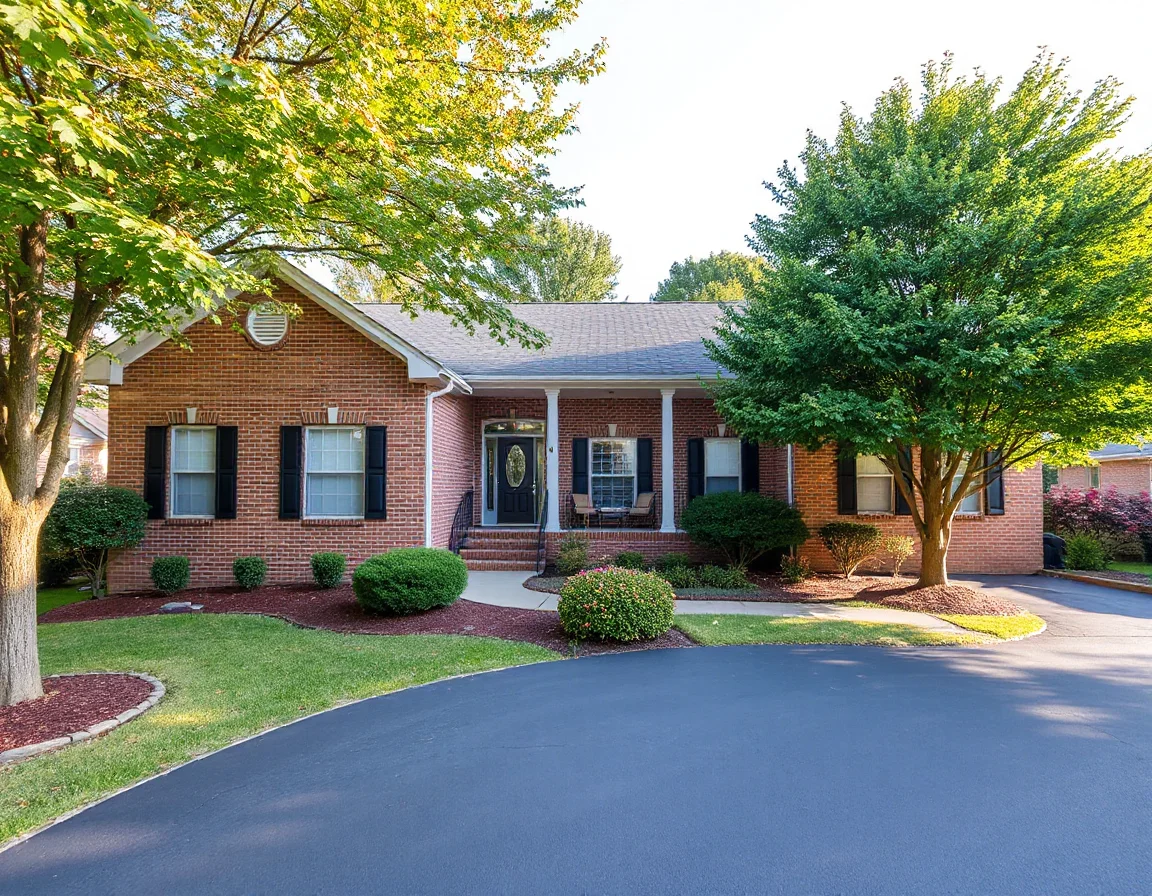
During showings, look past paint color and staging. Open cabinets, check storage areas, observe natural light at different times when possible, and note the condition of visible windows, flooring, roofing, gutters, mechanical equipment, and drainage. Your agent can help you compare disclosure information, listing details, and recent sales data so that each home is evaluated on more than first impressions.
When a property rises to the top of your list, revisit it mentally through the lens of ownership. Consider furniture placement, everyday traffic flow, outdoor upkeep, and potential future projects. A thoughtful second look can turn a vague reaction into a more informed decision. It can also help you identify questions to ask before writing an offer.
Write a Competitive Offer Without Losing Perspective
An offer is more than a price. Purchase terms may include earnest money, requested closing date, financing terms, inspection rights, appraisal considerations, and any included personal property. The most effective approach is usually one that reflects the property’s condition, comparable sales, current competition, and your own comfort level with the total investment.
Your agent can explain the local contract process and help organize a clean, complete offer. Sellers often weigh timing and certainty alongside price, so clear paperwork and realistic deadlines matter. If multiple offers are possible, decide in advance what your maximum number is and which terms you are willing to adjust. That preparation makes it easier to respond promptly without making a decision you will later regret.
A winning offer should still be an informed offer. Inspection periods, financing deadlines, and appraisal details are important tools for understanding both the property and the transaction.
After acceptance, the pace often increases. Your lender orders an appraisal, you schedule inspections, and title work begins. The inspection is not a pass-or-fail test; it is an opportunity to learn more about the home’s visible condition and recommended maintenance. Depending on the results and contract terms, you may move forward as planned, request repairs or a credit, renegotiate, or evaluate other available options.
Move From Contract to Closing With Fewer Surprises
The period between contract and closing is largely about documentation and deadlines. Respond quickly when your lender requests pay stubs, bank statements, identification, explanations for deposits, or other verification. Review your loan disclosures carefully, and ask questions whenever a figure or term is unclear. Small delays in paperwork can affect a tightly coordinated closing schedule.
Shortly before closing, you will typically receive a Closing Disclosure outlining the final loan terms and cash needed to close. Compare it with earlier estimates and confirm how funds must be delivered. Avoid relying on emailed wiring instructions without independent verification; confirm all financial instructions using a trusted phone number for the title company or closing professional.
A final walkthrough generally happens close to closing. This is the time to verify that the property is in the agreed-upon condition, any negotiated repairs have been addressed as required, and included items remain in place. It is not another inspection, but it is an important final check before signing documents.
A Confident First Step Toward Homeownership
Buying in Union can feel like a long list of decisions, but each stage has a purpose. Pre-approval gives your search a framework; careful touring helps you distinguish needs from preferences; and disciplined contract-to-close work helps protect the details that matter. With a reliable team, clear communication, and room in the budget for the real costs of ownership, you can approach your first purchase with focus rather than guesswork.