


A smart move in Erlanger starts with the details behind the asking price, not just the headline. Buyers can prepare for competition without overlooking costs, while sellers can use recent local comparisons to set a realistic plan. Here’s how to make sense of the market and decide what matters for your next move.
Start With the Market Around Your Price Range
Real estate conversations often begin with a big question: Is it a buyer’s market or a seller’s market? In practice, the answer can vary from one home to the next. A move-in-ready property may attract attention quickly, while another home nearby may take longer because of its condition, price, or layout. For buyers and sellers in Erlanger, Kentucky, the most useful picture comes from looking closely at comparable properties.

Look at active listings to see what buyers can choose from now, then review recent sales to understand what people have actually paid. Pending listings can show which homes have attracted accepted offers, although their final prices are generally not available until closing. Compare properties by location, size, age, condition, and features rather than assuming every home in the same ZIP code is interchangeable.
Time on the market and price changes add context, too. A listing that has been available for several weeks may create an opportunity to ask questions or negotiate, but its history alone does not tell the whole story. It could have returned to the market after a financing issue, for example, or it may simply need a price adjustment. Ask your agent to investigate before drawing a conclusion.
An asking price shows what a seller hopes to receive; a closed sale shows what a buyer paid. Use both when evaluating an Erlanger home.
Because this guide does not rely on a snapshot of current statistics, ask for an updated local market review before making a decision. Inventory, mortgage rates, and buyer activity can change, and the most relevant comparison is the one that reflects your property and timing.
For Buyers: Prepare Before You Tour
Before setting up showings, decide on a comfortable monthly payment as well as a purchase-price range. A lender can help you explore financing options and estimate principal, interest, property taxes, insurance, and any applicable mortgage insurance. If a property has association dues, include those in the calculation. Your lender’s estimate is a starting point; actual costs depend on the loan and the property.
A preapproval can clarify your borrowing options and help you act when you find a home that fits. It is not a guarantee of final loan approval, so keep your financial documents current and check with your lender before making major purchases or changing your financial situation. Also set aside funds for inspections, closing costs, moving expenses, and the repairs or updates you may want after closing.
As you tour, separate features you need from details you could change later. Room arrangement, stairs, parking, storage, and outdoor space can affect daily life more than a paint color. Consider the routes you would use regularly, nearby amenities, and the time of day you expect to travel. If schools matter to your decision, verify attendance boundaries and current information directly with the relevant school district.
When you find a contender, ask your agent to review comparable sales and the seller’s stated terms. A strong offer is more than a number: closing date, financing, contingencies, and the amount of earnest money can all matter. Choose terms you understand and can meet. An inspection contingency, for example, can provide an opportunity to learn about a home’s condition and respond according to the contract.
Search Erlanger homes for sale
For Sellers: Price and Presentation Work Together
Pricing a home begins with evidence, not an automatic formula or a neighbor’s asking price. Review recent comparable sales with your agent, then consider how your home differs in condition, size, improvements, and location. Active listings matter because they represent the choices buyers are weighing against yours. The goal is a list price that makes sense alongside those alternatives and supports your selling timeline.
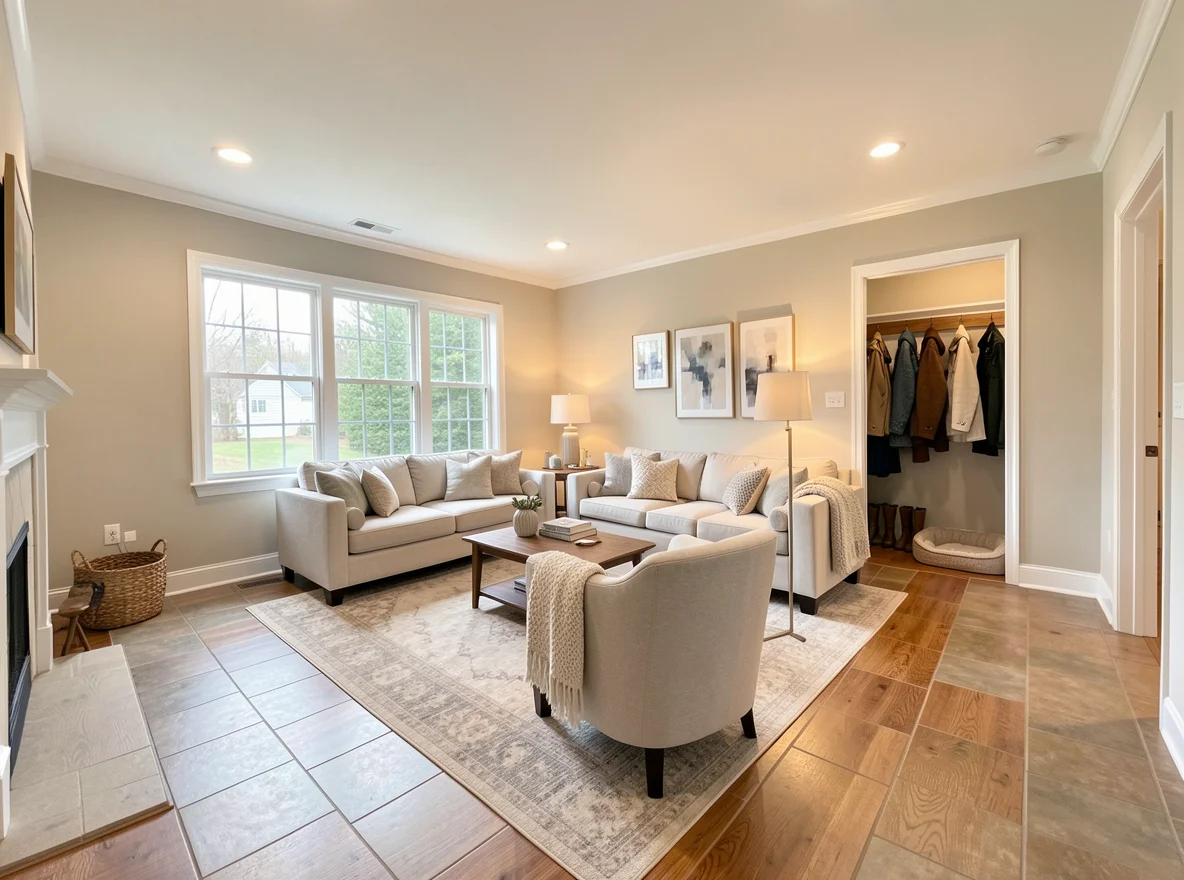
Preparation does not have to mean a major renovation. Begin with cleaning, decluttering, small maintenance items, and a clear path through each room. Outside, tidy the entry and landscaping so the property is easy to approach and photograph. Ask your agent which improvements are worth considering before you commit to expensive projects; the right priorities depend on the home and your budget.
Gather records for updates, warranties, utility costs, and known repairs. Discuss required disclosures with your agent and answer questions accurately. Clear information helps buyers understand what they are purchasing and can reduce surprises as the transaction moves forward. Once the home is listed, make a plan for showing access and regular feedback so you can respond thoughtfully if interest is not meeting expectations.
A price adjustment is a strategy, not a failure. Set a review point with your agent before listing so you know when to reassess the price, presentation, and buyer feedback.
When offers arrive, compare the full terms rather than focusing only on the highest price. Financing, contingencies, proposed closing date, and requests for seller concessions can affect the outcome. Your agent can help you estimate proceeds and understand the tradeoffs before you accept, counter, or decline an offer.
Plan Your Timing Around the Move You Want
Summer can bring longer daylight hours for viewing homes and handling projects, but a calendar alone should not dictate your decision. Buyers may need time to arrange financing and inspections; sellers may need time to prepare and coordinate their next home. If you are doing both, discuss the order of your transactions, temporary housing options, and the risks of carrying two homes or selling before securing another.
Before you begin, write down your preferred timeline and the points where you have flexibility. Then ask for a current review of Erlanger listings and recent sales in your price range. With a clear budget, realistic expectations, and a plan tailored to the property, you can make your next decision with more confidence—whatever the broader headlines say.