
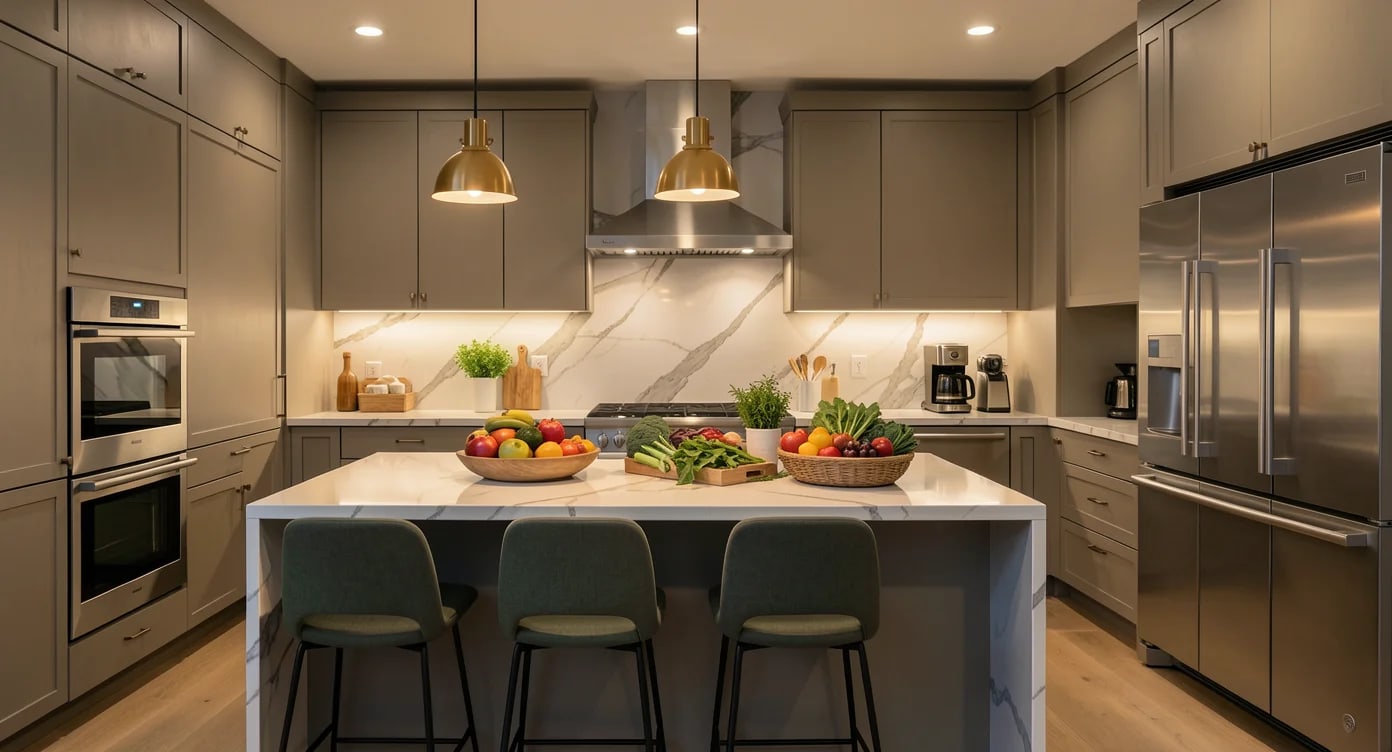

A kitchen does not need a complete overhaul to make a strong impression on buyers. In Crestview Hills, thoughtful repairs, refreshed finishes, and better lighting can improve how a home shows without committing to a major renovation. The best project depends on the kitchen’s condition, your timeline, and how the home compares with others on the market.
Start With What Buyers Will Notice
A kitchen is both a work space and a focal point during a showing. Buyers may notice the countertop color first, but they are also opening cabinets, checking appliances, and imagining how the room functions day to day. Before choosing tile samples, take an honest look at what feels worn, inconvenient, or unfinished.
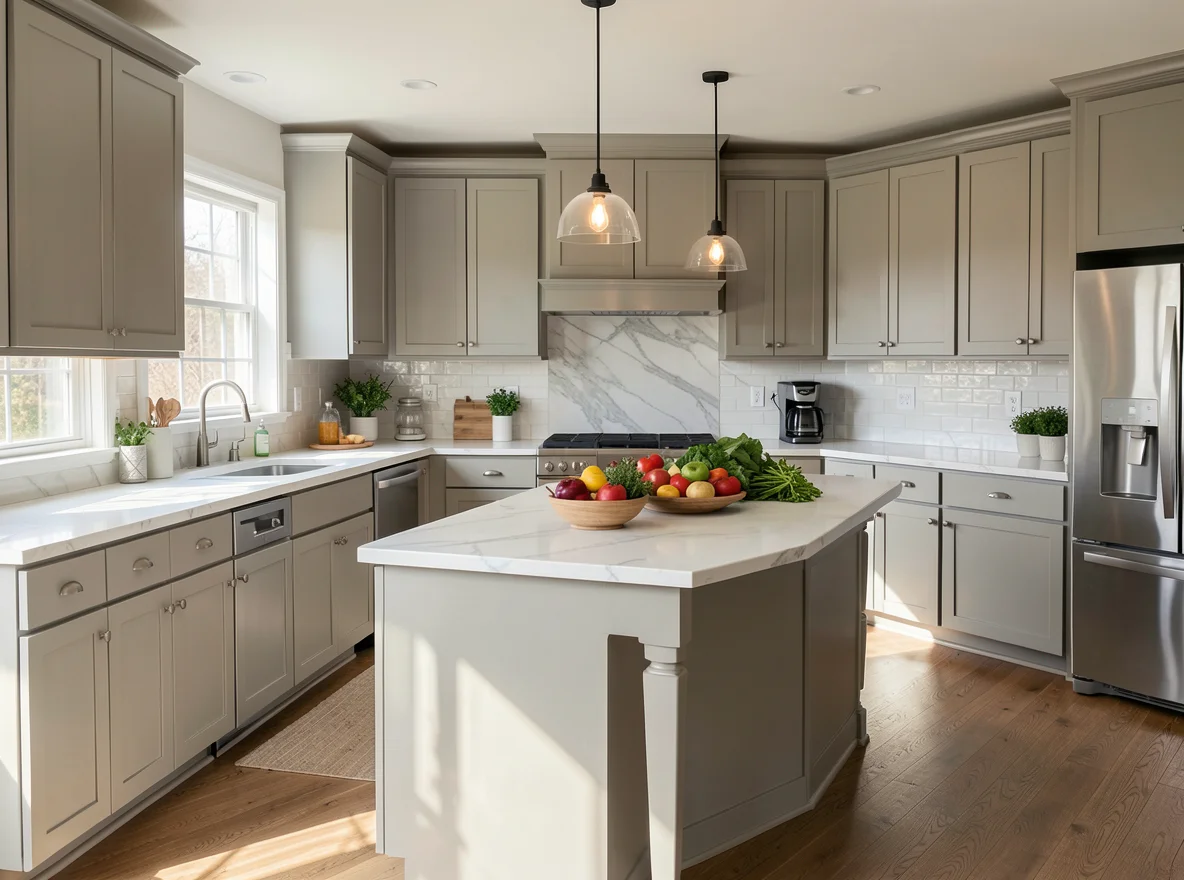
Begin with the basics: repair a dripping faucet, replace missing cabinet pulls, fix drawers that stick, and address damaged caulk or grout. A clean, well-maintained kitchen gives buyers fewer immediate concerns and helps any cosmetic improvements look more intentional. If there are signs of a leak, investigate the cause rather than simply covering the stain.
Next, consider the kitchen in the context of the entire home. A modest refresh may make sense when the layout works and the finishes are in reasonable shape. A more substantial project might be worth exploring if the kitchen has significant damage or an awkward configuration, but it should be weighed against the likely cost and your plans for the property.
Fixing a leak or a faulty drawer before updating finishes can protect your renovation budget—and prevent a fresh surface from hiding an unresolved problem.
For a useful comparison, look at current listings and recently sold homes with similar size, condition, and location. Listing photos can show how competing kitchens are presented, while sold properties can help an agent assess pricing context. Neither provides a guaranteed dollar value for an individual upgrade.
Explore Crestview Hills listings
Refresh Cabinets Before Replacing Them
Cabinets occupy a large share of a kitchen’s visual space, so their condition can shape the impression of the entire room. If the boxes are sturdy and the layout is functional, refinishing or painting may offer a less disruptive alternative to a full replacement.
Preparation matters more than a trendy color. Doors and drawer fronts need proper cleaning, sanding, and a finish suited to the material and expected wear. A professional can assess whether the existing surfaces are good candidates; peeling laminate, swollen panels, or damaged cabinet boxes may call for repair or replacement instead.
Hardware is another manageable update. Simple pulls and knobs can bring consistency to mismatched cabinets, but measure existing hole spacing before ordering. If hinges are visible, consider how they work with the new finish. Soft-close adjustments, properly aligned doors, and smooth drawer operation can make the kitchen feel cared for in ways that photographs alone may not capture.
Choose colors and finishes that fit the rest of the house rather than trying to recreate a showroom. Warm whites, muted tones, and natural wood can all work; the right choice depends on the flooring, counters, and available light. Bring samples home and look at them throughout the day before committing.
Make Counters, Lighting, and Fixtures Work Together
Once repairs and cabinetry are addressed, look at the surfaces and fixtures buyers will see and use every day. A cohesive combination can make a kitchen feel current without requiring every component to be new.
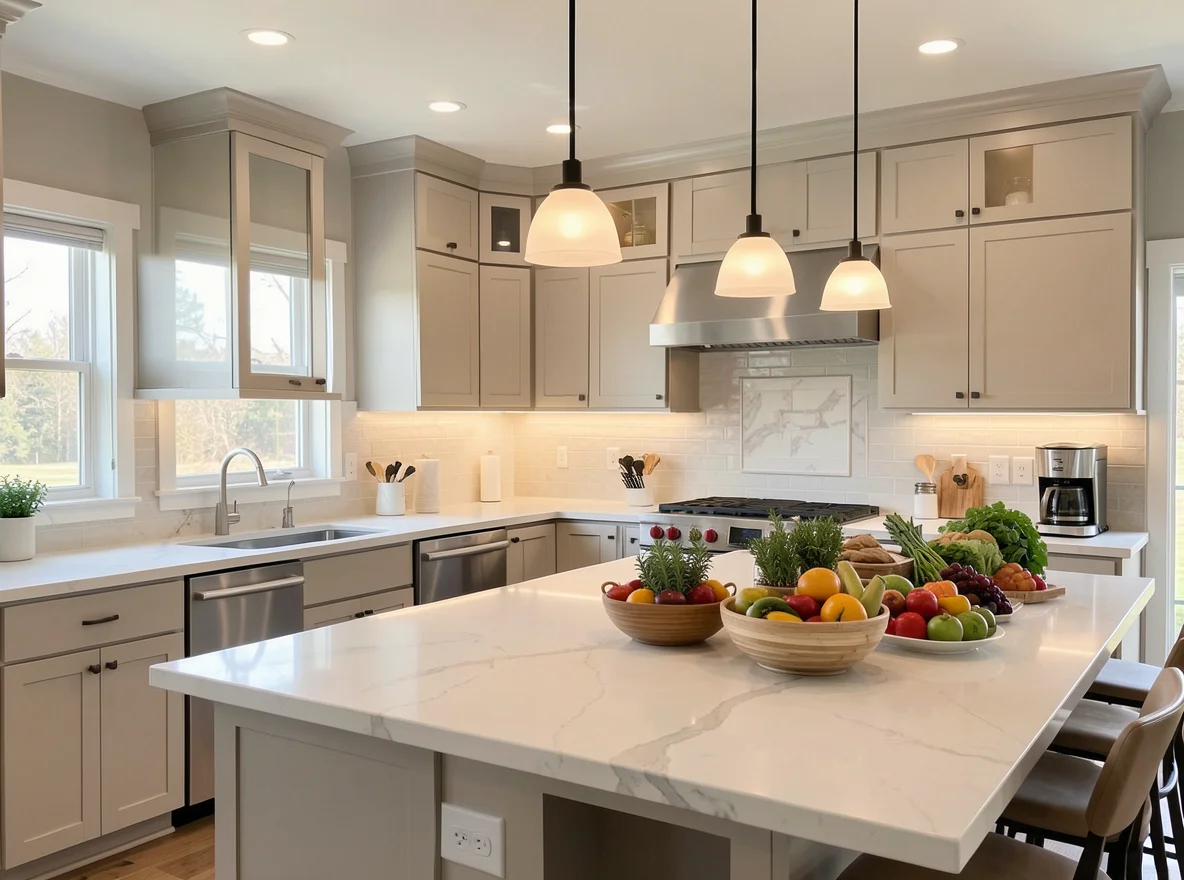
Countertops: If the existing surface is chipped, stained, or failing, compare replacement materials on durability, maintenance, installation, and total cost. Ask whether the estimate includes removal, sink cutouts, edge details, and any plumbing work. A neutral surface that complements the cabinets may have broader visual appeal than a highly distinctive choice.
Lighting: A bright work area helps the room feel usable. Replace burned-out bulbs, use consistent light temperatures, and consider task lighting beneath cabinets where practical. If you add fixtures or change wiring, use an appropriate professional and check local requirements before work begins.
Sink and backsplash: A clean sink, working faucet, and intact backsplash can make a noticeable difference. A new faucet may be a sensible choice when the existing one is worn, while a straightforward tile backsplash can connect the cabinets and counters. If the current tile is sound, a thorough cleaning and grout repair may be enough.
Before ordering a countertop, confirm whether the quote includes removal, installation, sink cutouts, and reconnection. Those details can change the project’s real cost.
Appliances deserve the same practical assessment. Buyers will notice whether they are clean and operating, but replacing a working appliance solely to match a finish may not be the best use of funds. If replacement is necessary, check dimensions and delivery access, and choose features that make sense for the home.
Decide How Much Renovation Makes Sense
A kitchen project can be worthwhile for your own enjoyment even if you do not recover every dollar at sale. If resale is the main goal, separate the cost of an improvement from its possible effect on marketability. A renovated kitchen may attract interest or help a home compete, but no upgrade guarantees a higher sale price or a specific return.
Ask for written estimates from qualified contractors and compare the same scope of work. Clarify materials, labor, disposal, scheduling, payment terms, and what happens if hidden damage is found. Set aside a contingency for surprises, particularly if cabinets or flooring must be removed to uncover the full condition of the room.
Timing matters too. Custom materials, contractor availability, and inspections can affect a project schedule. If you expect to list soon, a shorter list of well-executed repairs and cosmetic updates may be more realistic than a renovation that could delay your launch. Before disturbing painted surfaces in an older home, ask a qualified professional about applicable lead-safe requirements.
For major changes involving walls, plumbing, electrical work, or ventilation, verify permitting and inspection requirements with the appropriate local authorities. Keep invoices, permits, warranties, and appliance information together so you can document the work when it is time to sell.
Plan With Your Home’s Value in Mind
Before committing to a large project, discuss the home’s current condition and comparable sales with a local real estate professional. The conversation can help you weigh a full remodel against a targeted refresh and identify which unfinished items are most likely to distract buyers. It can also help you decide what to do now and what to leave for a future owner.
Whether you are preparing to sell or considering a Crestview Hills home that needs updates, focus on sound maintenance, a functional layout, and finishes that work together. A kitchen that feels clean, usable, and consistent with the rest of the property can make a lasting impression—without requiring you to spend on every possible upgrade.